Beat the Heat: Top Air Conditioning Solutions for Every Home
When tackling the matter of maintaining comfort in the home, selecting the right HVAC provider is critical. Homeowners should evaluate factors such as company credibility, technician qualifications, and the variety of cooling options available. Consistent maintenance plays an important role in system functionality, while noticing signs of needed repairs can stop unexpected malfunctions. Yet, many continue to disregard energy-efficient solutions that could deliver both ease and savings. What are the optimal strategies for picking and maintaining these systems?
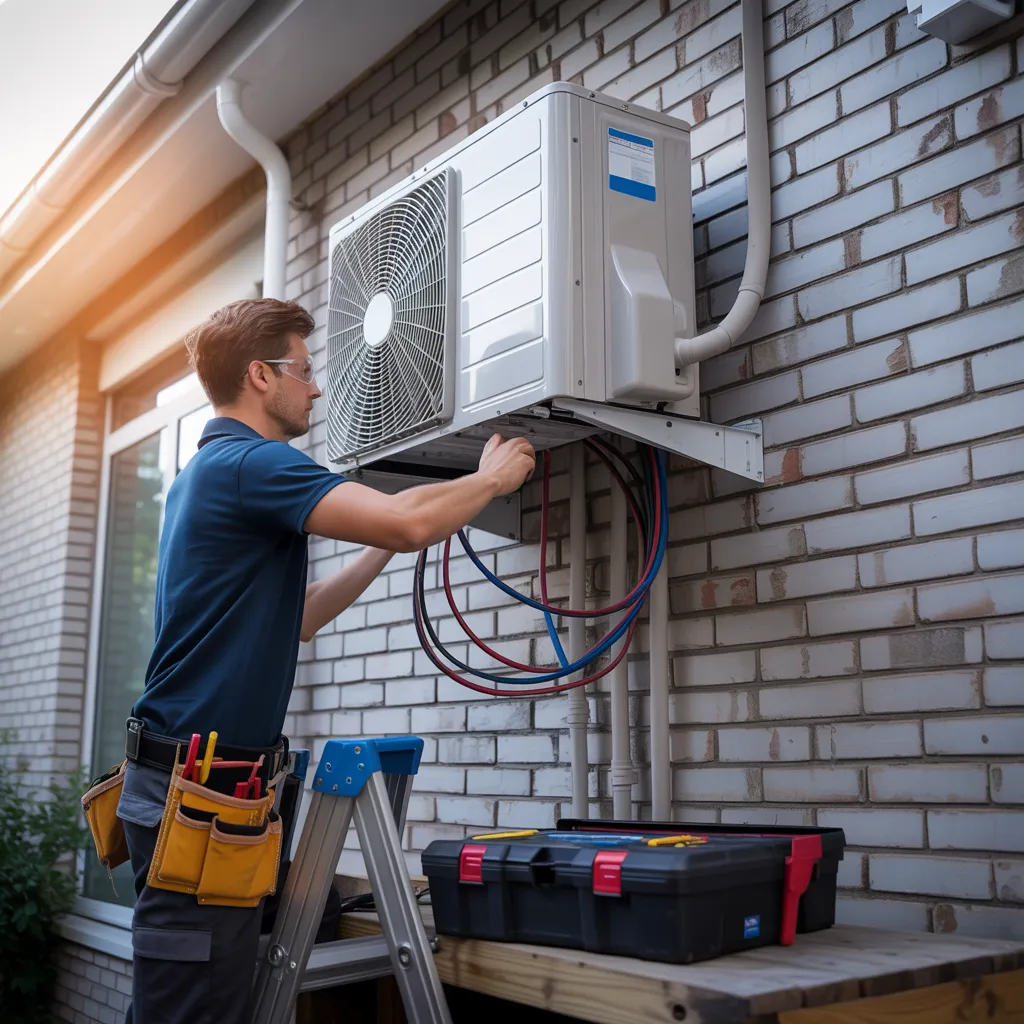
Tips for Choosing the Finest Air Conditioning Services
When selecting the best air conditioning options, what factors should one consider? First, it is essential to review the organization's credibility. Reviews and customer testimonials can deliver insight into dependability and service quality. Additionally, checking the certifications and qualifications of technicians is important, as expert technicians ensure correct maintenance and installation.
An critical consideration is the breadth of services supplied. A comprehensive provider should manage installation, repair, and routine maintenance. Additionally, forthright pricing prevents unexpected costs; obtaining detailed estimates is recommended.
Moreover, factor in the turnaround time for urgent needs, as efficient service can be important during extreme weather conditions. Finally, look for companies that offer warranties or protections on their services, which can provide greater peace of mind. By taking into consideration these considerations into account, customers can make educated choices when picking air conditioning providers that best address their preferences.
Learning About Diverse Types of Air Conditioning Units
Comprehending the various types of air conditioning units is vital for efficient climate control in homes and businesses. Central air conditioning systems deliver thorough cooling through ductwork, while ductless mini-split options offer flexibility and efficiency for targeted spaces. Each system has unique advantages that cater to different needs and preferences.
HVAC equipment for full-house climate management
Central air conditioning systems offer an efficient solution for cooling entire homes or large spaces. These units are made of a central unit that distributes cooled air through a network of ducts, ensuring even temperature get the full story dispersal. Typically, they comprise an outdoor compressor unit and an indoor air handler, which function jointly to preserve comfort. Central air conditioning is recognized for its efficiency, especially in larger homes, as it can refrigerate multiple rooms at the same time. Installation requires professional evaluation, considering factors like home size and insulation. Regular upkeep, such as filter changes and system checks, is essential for peak performance and longevity. Homeowners often appreciate the convenience of centralized control, rendering it a popular choice for residential cooling needs.
Ductless Mini-Split Alternatives
Ductless mini-split systems supply a dynamic and effective alternative to traditional air conditioning units, especially in homes without ductwork. These systems are composed of an outdoor compressor unit and numerous indoor air-handling units, supporting targeted cooling in specific areas. This design not only optimizes energy efficiency by circumventing power waste tied to ducted systems but also extends homeowners with personalized climate control. Mini-splits are presented in various configurations, featuring single-zone and multi-zone systems, accommodating different space requirements. Additionally, many models incorporate advanced technologies such as programmable thermostats and energy-saving modes. Overall, ductless mini-splits constitute a multipurpose approach for upholding pleasant conditions in diverse living environments.
Critical Maintenance Recommendations for Your AC System
Regular servicing of your air conditioning system proves vital for outstanding functionality and lasting durability. Fundamental service tasks include routine filter replacement, coil cleaning, and validating thermostat calibration. Adopting these key practices can meaningfully boost operational efficiency and reduce energy costs.
Common Filter Exchange
Regularly changing air filters is crucial for optimal air conditioning performance. Clogged filters limit airflow, causing the system to work more intensively, which can lead to higher energy consumption and reduced efficiency. This strain may reduce the lifespan of the unit and result in expensive repairs. Additionally, dirty filters can circulate dust, allergens, and other pollutants throughout the home, compromising indoor air quality. Homeowners should check their filters monthly and replace them every one to three months, depending on usage and filter type. Regular maintenance not only enhances comfort but also ensures the system operates at peak performance. By prioritizing filter replacement, individuals contribute to a more fuel-saving environment and a healthier living space.
Why Coil Cleaning Is Essential
Cleanliness plays a essential role in the performance of an air conditioning system, especially when it involves the coils. The evaporator and condenser coils are critical for heat exchange, and dirt accumulation can severely obstruct their performance. When coils are dirty, the system must work harder to cool the air, causing increased energy consumption and increased utility bills. Regular coil maintenance helps preserve ideal airflow and enhances the overall effectiveness of the unit. It can also lengthen the lifespan of the air conditioning system by preventing overheating and mechanical failures. Homeowners should arrange professional cleaning at least once a year, particularly before peak usage seasons, to guarantee their system operates smoothly and effectively.
Thermostat Calibration Checks
A properly adjusted thermostat is crucial for peak air conditioning functionality. Regular calibration checks ensure that the thermostat precisely indicates the desired temperature, stopping unnecessary energy use and enhancing comfort. Over time, issues including dust buildup or temperature fluctuations can lead to discrepancies in readings. Homeowners should schedule these checks at least once a year or before high demand periods. During a calibration check, technicians can adjust the settings, guaranteeing maximum functionality. Additionally, upgrading to a smart thermostat can deliver more precise control and energy efficiency. Maintaining a correctly set thermostat not only increases the durability of the air conditioning system but also supports lower utility bills, making it a significant aspect of overall HVAC maintenance.
Red Flags Your AC Requires Repairs?
How can homeowners confirm their air conditioning systems are functioning at their best? Recognizing the signs that indicate a need for repairs is vital. One common warning sign is poor cooling; if the air conditioner has trouble to maintain a comfortable temperature, it may signal underlying issues. Unusual noises, such as grinding or squealing, can also demonstrate mechanical problems that need to be addressed. Additionally, a noticeable increase in energy bills without a change in usage may suggest the unit is working harder than necessary due to inefficiencies. Homeowners should also be aware of unusual odors, which can indicate mold or electrical issues. Finally, if the system frequently cycles on and off, known as short-cycling, it often points to a malfunction that should be handled quickly. By staying vigilant for these signs, homeowners can make sure their air conditioning systems stay in excellent condition.
What to Do When Your AC Malfunctions?
When an air conditioning unit ceases to operate, it can disrupt comfort and cause worry for residents. The first step is to look at the thermostat to confirm it is set appropriately. If it operates normally, property owners should examine the electrical panel for any tripped switches or blown fuses. Next, checking the air filter for dirt and blockage is vital, as a blocked filter can limit airflow. If these fundamental troubleshooting steps do not fix the issue, contacting a qualified technician is recommended. They can determine intricate problems, such as refrigerant leaks or compressor failures. Residents should avoid attempting repairs without proper knowledge, as this can cause additional damage. While waiting for a technician, maintaining closed doors and windows can help preserve interior temperatures. By adhering to these guidelines, residents can better handle the situation until a technician comes.
Power-Saving Tactics for Keeping Your House Fresh
While conventional cooling equipment are functional, looking into high-efficiency cooling solutions can substantially cut both electrical usage and service fees. Property residents can select cooling systems featuring superior efficiency ratios to deliver excellent performance. Mini-split ductless technology allow adaptability, facilitating targeted temperature management without the energy reduction inherent in ductwork. Concurrently, connected smart thermostats can enhance operational efficiency, responding to the homeowner's daily needs and curtailing unnecessary power consumption.
Evaporative coolers, fitting for dry climates, leverage water evaporation to cool air, consuming considerably less electricity than conventional units. For those pursuing sustainable solutions, solar-powered air conditioning units harness renewable energy, further minimizing environmental impact.
Finally, regular maintenance and adequate insulation are essential in sustaining efficiency. Through implementing these energy-efficient cooling options, property owners can enjoy comfort while also aiding to energy preservation and cost savings.
Popular Questions Asked Often
How Often Should I Upgrade My Air Conditioning System?
Air conditioning units typically require replacement every 10 to 15 years, based on use and maintenance. Consistent maintenance can extend their lifespan, but efficiency declines over time, prompting many homeowners to contemplate replacement sooner.
Should I attempt to install an AC Unit by myself?
Putting in an AC unit yourself is possible, but it requires technical knowledge and respect for local codes. Improper installation can lead to reduced performance or health risks, so professional service is often recommended for peak performance.
Which Retailers Present the Superior Coverage?
Major brands like Trane, Lennox, and copyright offer some of the superior warranties in the field. Typically, these warranties extend to parts for up to ten years, providing customers with peace of mind regarding their expenditure.
How Can I Enhance My AC's Efficiency?
To enhance an AC's efficiency, one should regularly clean or replace filters, ensure proper insulation, arrange annual maintenance, and adjust thermostat settings. Additionally, sealing ducts can prevent energy loss, boosting overall performance and reducing energy costs.
Can you locate financing options for AC unit installation?
Many businesses offer financing options for air conditioning installation, allowing homeowners to manage costs over time. These plans often include loans with low interest rates or installment plans, making it simpler to invest in efficient cooling solutions.